
What Is Ham Radio? A Beginner’s Guide to Amateur Radio
In a world dominated by smartphones, social media, and instant messaging, it might seem surprising that a century-old technology is still alive and thriving. Yet ham radio—also known as amateur radio—continues to attract millions of enthusiasts around the globe. From emergency communication to global friendships, ham radio offers a unique blend of technology, community, and adventure. But what exactly is ham radio, and why do people still use it today?
Understanding Ham Radio
Ham radio is a form of non-commercial radio communication used by licensed individuals for personal, educational, and emergency purposes. Unlike commercial radio stations or walkie-talkies, ham radio operators can communicate across towns, countries, and even continents using a variety of radio frequencies and equipment.
The term “ham” doesn’t stand for anything specific. While there are many myths about its origin, it has simply become a widely accepted nickname for amateur radio operators. Anyone who earns an amateur radio license can become a ham and begin exploring the airwaves.
How Ham Radio Works
At its core, ham radio uses radio waves to transmit information. A basic setup includes a radio transmitter, a receiver (often combined into one unit called a transceiver), a power source, and an antenna. When you speak into a microphone or send data, the radio converts that information into radio waves, which travel through the air and are picked up by another operator’s antenna.
What makes ham radio fascinating is the variety of frequencies and communication methods available. Operators use different bands—such as shortwave (HF), very high frequency (VHF), and ultra high frequency (UHF)—each with its own characteristics. Some frequencies are best for local communication, while others can bounce signals off the ionosphere, allowing contacts thousands of miles away.
A Brief History of Ham Radio
Ham radio dates back to the early 1900s, when radio was still an experimental technology. Amateur operators played a major role in advancing radio science, discovering new transmission techniques, and pushing the limits of long-distance communication.
Over time, governments recognized the value of amateur radio and created licensing systems to regulate its use. During wars and natural disasters, ham radio operators often provided critical communication when other systems failed. This legacy of public service remains a core part of amateur radio culture today.
Why People Get Into Ham Radio
People are drawn to ham radio for many different reasons, and that diversity is part of its charm.
Some enjoy the technical side, experimenting with antennas, building their own equipment, or learning how radio waves behave under different conditions. Others love the social aspect, chatting with people from different countries, cultures, and backgrounds—often without the internet.
Many operators are motivated by public service and emergency preparedness. When power grids, cell towers, or internet infrastructure go down, ham radio can continue to operate using batteries or generators. For this reason, amateur radio is often used during hurricanes, earthquakes, wildfires, and other emergencies.
There’s also a strong sense of accomplishment. Making your first long-distance contact or earning a new license level can be incredibly rewarding.
Licensing and Getting Started
To transmit on amateur radio frequencies, you must be licensed. The licensing process is designed to ensure operators understand basic electronics, radio theory, and operating rules. While this may sound intimidating, entry-level licenses are very achievable with a bit of study.
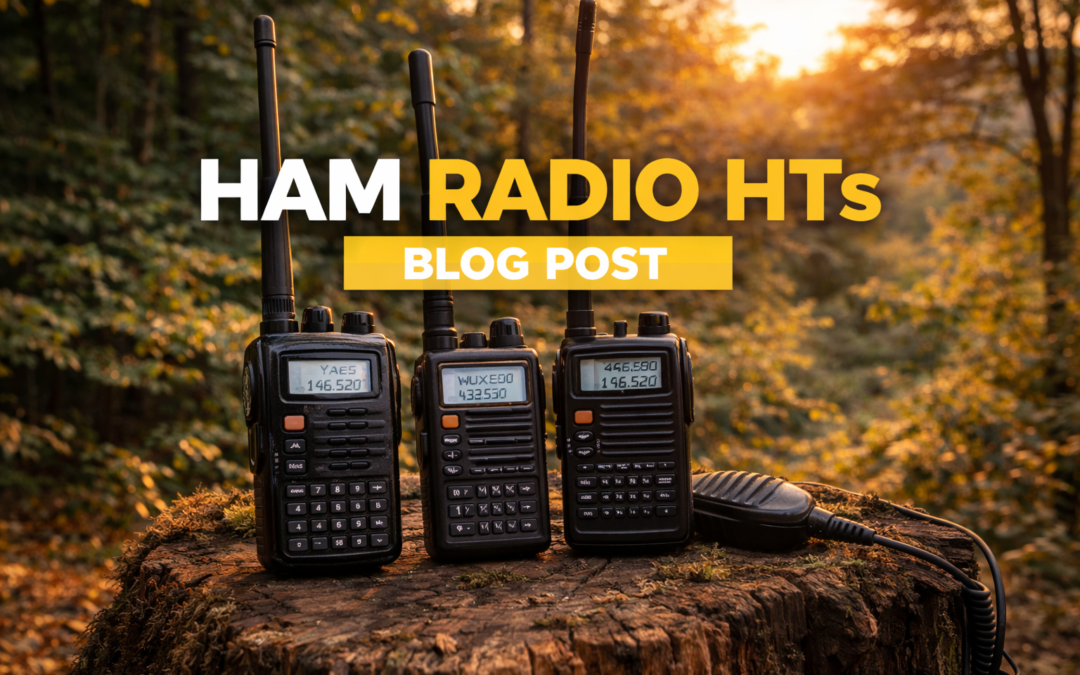
Once licensed, you’ll receive a unique call sign, which becomes your on-air identity. From there, you can start with a simple handheld radio or invest in more advanced equipment depending on your interests and budget.
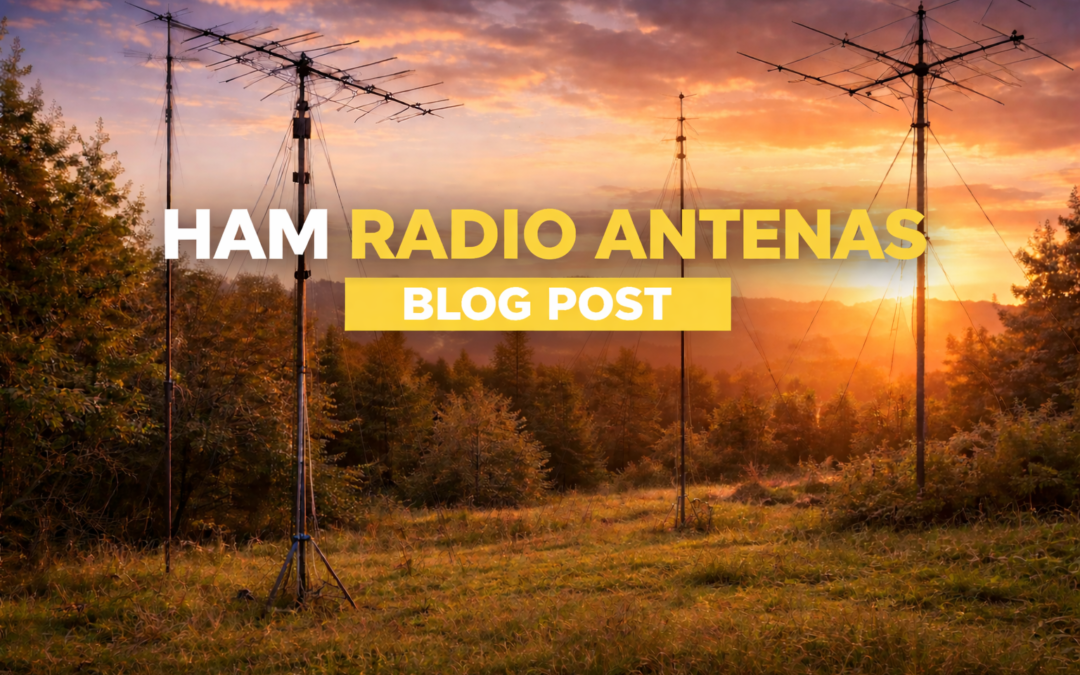
One of the great things about ham radio is that it can be as simple or as complex as you want it to be. Some operators are happy with a small radio and local conversations, while others build elaborate home stations with towers and powerful antennas.
Modes of Communication
Ham radio isn’t limited to voice communication. In fact, there are many different “modes” operators can use:
-
Voice (Phone): Traditional spoken communication.
-
Morse Code (CW): A historic and efficient method still popular today.
-
Digital Modes: Text and data communication using computers and radios.
-
Satellite Communication: Making contacts through amateur radio satellites orbiting Earth.
-
Television and Images: Some operators even transmit live video or pictures.
This variety keeps the hobby fresh and allows people to explore areas that match their interests and skills.
Ham Radio in the Modern World
Despite the rise of the internet, ham radio remains relevant. In fact, modern technology has enhanced the hobby. Digital modes, software-defined radios, and online logging tools have expanded what’s possible while still preserving the core idea of radio communication.
Ham radio also fosters independence. Unlike internet-based platforms, it doesn’t rely on centralized infrastructure. When you make a contact over the air, it’s often just your equipment and the laws of physics making it happen.
The Community Aspect
One of the most rewarding parts of ham radio is the community. Local radio clubs, online forums, and on-air gatherings (called “nets”) provide opportunities to learn, share knowledge, and make friends. Many hams are eager to help newcomers, making the hobby welcoming and supportive.
There are also contests, special event stations, and international activities that add excitement and challenge. Whether you prefer casual conversations or competitive operating, there’s a place for you.
Is Ham Radio Right for You?
If you enjoy learning new skills, experimenting with technology, or connecting with people in a unique way, ham radio may be worth exploring. It’s a hobby that encourages curiosity, self-reliance, and lifelong learning. You don’t need to be an engineer or a tech expert—just someone willing to learn and have fun.
Final Thoughts
Ham radio is much more than talking into a microphone. It’s a blend of science, communication, service, and human connection. From its rich history to its modern innovations, amateur radio continues to inspire people to explore the invisible waves that connect our world.
In an age of instant communication, ham radio reminds us that sometimes the most meaningful connections are made not through screens, but through the air itself.